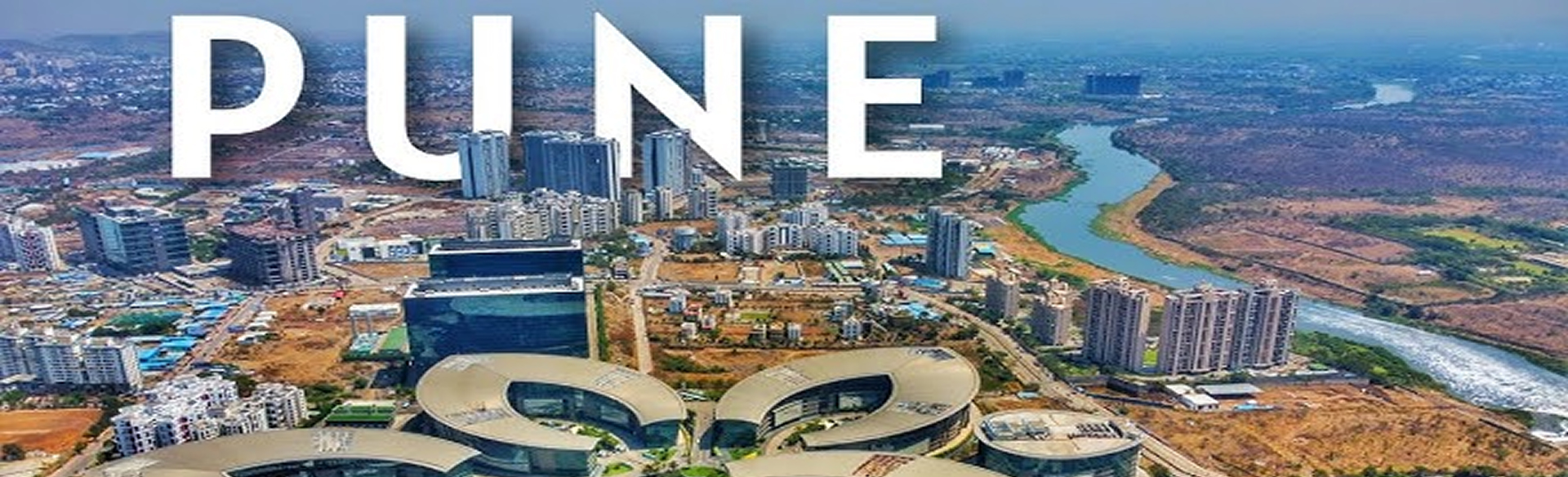
Mumbai, formerly known as Bombay, is the capital city of the Indian state of Maharashtra. It sits on a narrow peninsula extending into the Arabian Sea and is a natural deep-water harbour formed from seven islands joined by land reclamation. Elevation ranges from sea level to about 14 meters (46 feet). Mumbai is the financial, commercial, and entertainment capital of India.
Area: Approximately 603.4 Square Kilometres
Background: Mumbai evolved from fishing villages into one of the world's largest urban economies. It was an important port under British rule and today hosts the Bombay Stock Exchange (BSE), Reserve Bank of India (RBI), Bollywood, and many Fortune 500 companies. Often called the “City of Dreams”, it’s known for its fast pace, vibrant culture, and economic opportunity.
Summer: March–May (up to 38°C)
Monsoon: June–September (heavy rainfall, high humidity)
Winter: November–February (cooler, rarely below 15°C)
Best Time: November to February
Time Zone: IST (UTC +5:30)
Population: Approx. 12.5 million (city) — over 20 million (metro)
Languages: Marathi, Hindi, English, Gujarati
Literacy: 89.73%
Republic Day: 26th Jan
Independence Day: 15th Aug
Gandhi Jayanti: 2nd Oct
Police: 100
Women Help Line: 103
Ambulance: 102, 1298
Gen Info (Justdial): +91 88888 88888
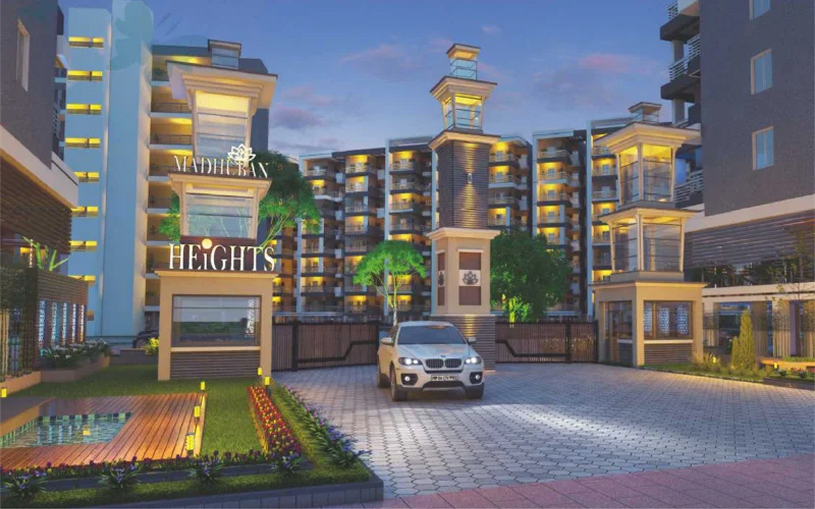
Mumbai’s residential rental market is dynamic and highly competitive, driven by financial services, Bollywood, start-ups, and international businesses. Since 2021, rental prices in prime areas have increased by approximately 20–35%, especially in well-connected localities near business districts, upcoming metro lines, and premium coastal belts.
The city is largely a landlord-favoured market, where preferred expat and professional neighbourhoods command premium rents and experience limited availability. Due to heavy traffic and inconsistent public transport coverage, most expats and corporate professionals rely on chauffeur-driven cars or app-based cab services such as Uber and Ola.
Preferred residential areas include:
South Mumbai: Colaba, Malabar Hill, Cuffe
Parade, Marine Drive
Western Suburbs: Bandra (West & East), Khar,
Santacruz, Juhu, Andheri (West)
Eastern & Central Mumbai: Powai, Vikhroli,
Chembur, BKC (Bandra Kurla Complex)
New & Emerging Hubs: Lower Parel, Worli,
Goregaon East, Mulund, Ghatkopar, Thane
These localities offer excellent infrastructure, international schools, hospitals, green spaces, cafés, restaurants, and proximity to business hubs or the airport. Areas like Bandra, Powai, and Lower Parel are especially popular among expats and young professionals.
Premium serviced apartments and hotels are widely available across Mumbai, particularly in Bandra, Powai, BKC, Juhu, Andheri, and South Mumbai. Demand peaks during festivals, year-end holidays, and corporate relocation seasons, so advance booking is strongly recommended.
Long-term housing options include high-rise apartments, gated societies, and independent bungalows—primarily in South Mumbai and Juhu. Most apartment buildings provide security, maintenance, power backup, and shared amenities such as gyms, swimming pools, and play areas.
Independent villas and bungalows offer larger living spaces and luxury, but typically require dedicated security and private maintenance arrangements.
Integrated gated communities are increasingly popular in areas like Powai, Thane, and Goregaon East, combining privacy with community living and modern amenities.
Breakdown of available properties:
Availability: Limited (mainly in Juhu, Bandra,
Versova, Malabar Hill).
Types: Detached (~30%), Semi-detached
(~70%).
Style: 3–5 bedroom layouts, heritage or modern
homes with large living spaces, gardens/backyards, and often
servant quarters.
Average Age: 20–40 years (older stock in South
Mumbai).
New Construction (<5 years): ~10%, mostly in
redeveloped zones or suburbs.
Availability: High.
Distribution: 50–55% in small/medium buildings,
45–50% in high-rise complexes.
Style: Typically 2–4 bedroom units with modern
fittings, modular kitchens, balconies, and city, garden, or sea
views.
Average Age: 8–12 years.
New Construction (≤5 years): ~25%, especially
in Lower Parel, BKC, Goregaon, and Thane.
Mumbai’s housing market spans all segments—from compact studios to luxury penthouses and sea-facing residences in premium towers.
Serviced apartments are widely available in expat-friendly locations such as Powai, BKC, Bandra, Lower Parel, and Andheri, offering furnished living with convenient access to corporate hubs and lifestyle centers.
A. Professionally Managed Serviced Apartments
Found in BKC, Bandra, Powai, Juhu, Andheri, and Worli.
• Offer housekeeping, reception, 24x7 security, laundry, Wi-Fi,
kitchenette, parking, and power backup.
• Ideal for expats, corporate guests, and relocating families.
B. Stand-Alone Serviced Apartments
• Operated by individual owners or small firms.
• Common near IT parks and commercial districts.
• Quality varies; due diligence is advised.
C. Guest Houses / Shared Accommodations
• Shared kitchens and living spaces.
• Used mainly by interns and short-term professionals.
• Not recommended for families or expats due to privacy and
security concerns.
In Mumbai, security deposits typically range between 3 to 6 months’ rent, depending on the location and landlord terms. The deposit is interest-free and refundable at the end of the lease, subject to deductions for damages or dues.
Clarify whether rent includes maintenance, parking, society charges, and club fees. Utilities such as electricity, gas, and internet are usually billed separately to the tenant. Ensure payment schedules and due dates are clearly defined.
Furniture leasing is increasingly popular in Mumbai, especially among relocated professionals. Most providers offer pre-owned furniture on a monthly rental basis. Availability varies by item. For assistance, you may contact Kraft Mobility for curated leasing solutions.

Mumbai has one of the strongest and most developed banking and financial ecosystems in India, hosting national, international, and multinational financial institutions. We assist with opening bank accounts, understanding local tax regulations, and accessing currency exchange services to ensure a smooth financial transition.
The official unit of currency in India is the Indian Rupee (INR).
Credit cards are widely accepted throughout Mumbai, especially in malls, restaurants, hotels, corporate offices, and retail stores. Most banks issue credit cards with revolving credit and cash advance facilities.
The most commonly accepted cards are RuPay, VISA, and MasterCard. American Express and Diners Club cards are accepted only at select establishments.
It is advisable to confirm card acceptance before making payments, particularly with foreign-issued cards.
Note: International card usage may attract foreign transaction fees. Please check with your issuing bank for exact charges.
Mumbai has an extensive and well-distributed ATM network covering all major residential, commercial, and business districts.
Traveller’s cheques are available through most major Indian and international banks operating in Mumbai.
Commonly available currencies include US Dollar, Euro, and Pound Sterling.
A valid passport is required to purchase or encash traveller’s cheques.
Banks in Mumbai include government (public sector) banks and private banks, offering both domestic and international banking services.
Typical Banking Hours:
Government banks: 10:00 – 14:00 (weekdays)
Private banks: 08:00 – 20:00 (weekdays)
Some private banks also operate on Saturdays.
As per Indian Foreign Exchange and Income Tax regulations, foreign nationals employed in India are allowed to open only one bank account per city.
Your relocation consultant or HR partner can assist you in opening the following types of accounts:
Documentation requirements may vary slightly by bank, but typically include:
Most banks issue an ATM/debit card upon request. The account opening process generally takes 2 to 15 working days, depending on KYC verification and document completeness.
All major banks in Mumbai offer secure internet and mobile banking facilities, enabling users to:
Internet banking services are generally reliable, user-friendly, and supported by 24/7 customer care and mobile applications.

In Mumbai, water-borne diseases such as hepatitis A, typhoid, cholera, gastroenteritis, and leptospirosis increase significantly during the monsoon due to contaminated water and sanitation challenges. In 2025, a noticeable surge in hepatitis A cases was reported, particularly among adults, linked to unsafe water and food handling during the rainy season.
Vector-borne illnesses including dengue, malaria, and chikungunya are common during and immediately after the monsoon, especially in densely populated and water-logged areas.
Respiratory illnesses and influenza-like infections (such as H1N1 and seasonal flu) tend to rise during winter months as air quality deteriorates and clean-air days decline.
Traffic congestion and monsoon flooding in Mumbai can delay emergency services. In many cases, it is faster to use a personal vehicle or hire a cab rather than waiting for an ambulance, unless the patient is immobile.
Always carry personal identification such as a passport, visa copy, or residential permit. Most private hospitals require partial payment at the time of admission.
It is advisable to have someone accompany you to assist with hospital registration, documentation, and coordination.
Healthcare services are widely accessible across Mumbai, with a strong network of multi-specialty hospitals, clinics, and diagnostic centres. Most doctors speak fluent English and Hindi.
Private hospitals are preferred by expatriates due to faster access, advanced infrastructure, and higher comfort standards.
Pharmacies are available throughout the city, including in residential neighbourhoods, and many offer home delivery services.
It is advisable to carry prescriptions for ongoing treatments and inform your doctor of any medicines you are currently taking.
Government Emergency Ambulance: 102
Police Emergency Number: 112

Education in Mumbai spans from Preschool (Kindergarten) to Higher Secondary (+2 level). Schools operate under multiple education boards, offering families a wide choice based on curriculum preferences, budget, and long-term academic goals.
The Maharashtra State Board of Secondary & Higher Secondary Education (MSBSHSE) conducts SSC (Class 10) and HSC (Class 12) examinations. While the board is headquartered in Pune, Mumbai is managed by the Mumbai Divisional Board and serves thousands of schools across Greater Mumbai and the Mumbai Metropolitan Region (MMR).
National and international education boards available in Mumbai include CBSE, CISCE (ICSE/ISC), NIOS, IB, and Cambridge (IGCSE) .
After Class 10, students typically join Junior Colleges or continue +2 education within schools offering senior secondary programs under state, national, or international boards.
Mumbai hosts some of India’s finest international schools, making it a preferred city for expatriate families, NRIs, and globally minded parents.
Under the implementation of NEP 2020 in Maharashtra, Mumbai schools follow a three-language formula: Marathi (mandatory), English, and a third language as per board norms.
The State Curriculum Framework (SCF) emphasizes community engagement, environmental studies, and cultural projects, overseen through School Management Committees (SMCs).
Electricity in Mumbai is supplied by different providers depending on the locality:
Tariffs are slab-based, increasing with higher consumption. Bill due dates are printed on monthly statements, and delayed payments may lead to disconnection without prior notice.
Water supply in Mumbai is managed by the Brihanmumbai Municipal Corporation (BMC). Monthly bills are generated for independent houses and billed via society management for apartments.
Garbage collection in Mumbai is handled by the BMC with daily door-to-door pickup in most residential areas. Waste segregation into wet and dry garbage is mandatory in many societies.
BMC Solid Waste Helpline: 1916 (24x7)
Most Mumbai households use LPG cylinders supplied by:
Cost: ₹950 – ₹1150 per cylinder
Delivery Time: 1–4 days after booking
Required documents include government-issued ID, proof of address, and passport-sized photographs. Keeping two cylinders is recommended.
Due to Mumbai’s humid climate, pest issues are common, especially during the monsoon season.
Recommended Frequency: Every 3–6 months using WHO-approved, child- and pet-safe chemicals.

In Mumbai, setting up a cable or satellite TV connection is a simple and well-organized process. Once you move into your residence, a local cable operator—often servicing that specific building or neighbourhood—can be contacted directly or may proactively approach you.
A nominal installation charge applies for cable connections, and setup is usually completed within 1–2 working days. Monthly subscription fees can be paid in cash or through online payment apps, and receipts are generally provided.
Cable operators in Mumbai offer a wide range of Indian and international channels including STAR, Sony, Colors, Discovery, National Geographic, ESPN , along with regional channels in Marathi, Hindi, and Gujarati.
Alternatively, Direct-To-Home (DTH) satellite services are widely used across Mumbai, particularly in high-rise residential societies. Popular providers include:
DTH services involve a one-time installation cost covering the dish antenna and set-top box, followed by a monthly or annual subscription. Installation typically takes 2–5 working days, depending on location and technician availability.
Channel packages are customizable and available in SD and HD formats. Subscriptions can be managed through provider websites or mobile apps.
Mumbai has a vibrant FM radio network catering to its diverse population. Radio is freely accessible via FM radio sets, mobile phones with FM capability, and online streaming apps.
Popular FM channels in Mumbai include:
These stations broadcast Bollywood music, talk shows, celebrity interviews, traffic updates, public announcements, and local news, offering free entertainment throughout the day.
Mumbai has a strong newspaper culture with daily publications available in English, Marathi, Hindi, and Gujarati.
Popular newspapers include:
English: The Times of India, The Indian
Express, Hindustan Times, Mid-Day
Marathi: Loksatta, Sakal, Maharashtra Times,
Lokmat
Hindi: Navbharat Times, Dainik Jagran
You can access newspapers by:
Mumbai newspapers are known for extensive local coverage, Bollywood news, real estate updates, business insights, and classified advertisements.
Mumbai has a comprehensive network of post offices across all major suburbs and commercial areas, operated by India Post under the Ministry of Communications.
Postal services available include:
Major General Post Offices (GPOs) are located near CST (Mumbai GPO), Bandra East, Andheri East, Dadar, Borivali, and other key locations.
For postal codes, services, and working hours, visit the official India Post website or your nearest post office.
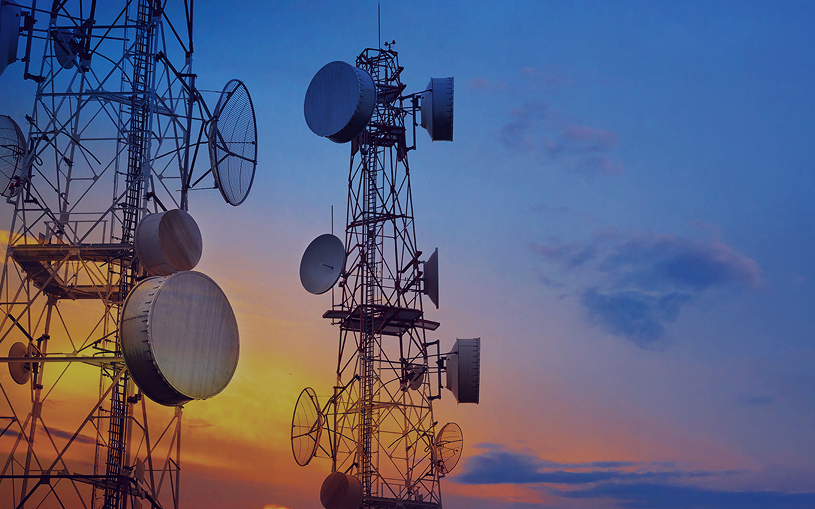
Telephone and broadband connections in Mumbai are easily available through both government-owned and private telecom service providers.
The government provider BSNL (Bharat Sanchar Nigam Limited) and private operators such as Jio, Airtel, ACT Fibernet, and Vodafone Idea (Vi) offer landline, broadband, and bundled communication services across most residential and commercial areas.
Private providers generally complete installation within 2–5 working days, while BSNL installations may take up to 10–14 days, depending on location and document verification.
Documents Required:
A refundable security deposit and installation charges are usually applicable. Billing is typically monthly, with online payment options and mobile apps available for convenience.
Landline services with international calling (ISD) can be activated upon request.
Service providers offer multiple prepaid and postpaid plans, including bundled voice, broadband, and OTT services.
In some rental apartments, a pre-installed landline or broadband connection may already be available, in which case only usage charges apply.
Public phone booths with PCO / STD / ISD facilities are now extremely rare in Mumbai, as mobile phone usage is nearly universal.
A few payphones may still exist at major transport hubs such as railway stations, bus terminals, and airports, but they are largely obsolete.
Mumbai has excellent mobile network coverage with major GSM service providers including Jio, Airtel, and Vodafone Idea (Vi).
These providers offer a wide variety of prepaid and postpaid plans to suit different needs, including high-speed data, unlimited calling, and roaming services.
Postpaid connections usually require a nominal activation fee and a refundable security deposit. An additional deposit may be required for international roaming.
Prepaid SIM cards are easily available at mobile stores, supermarkets, airports, and authorized retail outlets across the city.
As per TRAI regulations, activation of a new mobile connection requires submission of a valid photo ID and proof of address. SIM activation typically takes a few hours to one working day.
Foreign nationals may be required to submit additional documents such as visa copies, and SIM cards are usually issued only at select authorized outlets.
Mumbai enjoys strong broadband and fiber-optic internet connectivity from leading providers such as JioFiber, Airtel Xstream Fiber, ACT Fibernet, Hathway, and BSNL.
Internet services are delivered via fiber-optic networks or wired broadband (DSL), depending on the area.
After finalizing your residence, it is important to confirm area-specific coverage with your chosen provider, as some housing societies have preferred ISPs.
A wide range of internet plans is available based on speed (30 Mbps to 1 Gbps), data limits (capped or unlimited), and bundled services such as OTT apps and voice calling.
Installation is typically completed within 2–4 working days, and discounts are often available for annual or long-term subscriptions.

Mumbai, India’s financial capital, offers one of the most extensive and complex public transportation systems in the country. The city is connected by local trains, metro rail, buses, cabs, auto rickshaws, and app-based transport services.
For expatriates and business travelers, app-based cab services such as Ola, Uber, and InDrive are highly recommended due to safety features, GPS tracking, digital payments, and ease of communication.
Mumbai is well served by cab aggregators including Ola, Uber, and InDrive, offering metered, GPS-enabled rides across the city. A wide range of vehicles is available, from economy cars to premium sedans.
Avoid unregistered taxis, especially at night or in isolated areas. Since not all drivers speak fluent English, it is advisable to use in-app navigation or share your live location.
Auto rickshaws are a common mode of transport in Mumbai, particularly in suburban areas. These are legally metered vehicles, though drivers may sometimes suggest fixed fares.
By law, meters must be used. After 10:00 PM, fares are charged at 1.5 times the standard rate.
Auto rickshaws are not permitted in South Mumbai (generally from Colaba up to Mahim/Chembur). In these areas, taxis or app-based cabs must be used. App-based services like Ola Auto and Rapido are also available in many zones.
Public buses in Mumbai are operated by Brihanmumbai Electric Supply & Transport (BEST). BEST buses cover almost every part of the city and are a low-cost commuting option.
The fleet includes non-AC, AC, and electric buses. While economical, buses can be crowded during peak hours and may be challenging for non-local language speakers. Apps like Chalo help with live tracking, routes, and digital ticketing.
The Mumbai Metro has expanded significantly and provides a clean, air-conditioned, and efficient commuting option.
Operational lines include:
Tickets can be purchased via kiosks, metro cards, or mobile apps. The metro is safe, reliable, and ideal for commuting between residential suburbs and business districts.
Name: Chhatrapati Shivaji Maharaj International
Airport (CSMIA)
Location: Santacruz (T1 – Domestic), Andheri
East (T2 – International)
Connectivity:
Official Website: Chhatrapati Shivaji Maharaj International Airport
Mumbai offers a wide range of local and international car rental services, including both chauffeur-driven and self-drive options.
Popular providers include:
Due to dense traffic, limited parking, and aggressive driving conditions, self-driving is not recommended for newcomers. Chauffeur-driven vehicles are a safer and more comfortable option, especially for expatriates and corporate travelers.
Driving in Mumbai can be stressful due to congestion, poor road conditions, and minimal lane discipline. Parking is a major challenge in most commercial and residential areas.
Foreign nationals may drive in India using a valid International Driving Permit (IDP) along with their national driving licence for up to one year.
For long-term stays, applying for an Indian driving licence through the Regional Transport Office (RTO) is recommended.
Importing vehicles into Mumbai is legally permitted but involves strict regulations, lengthy customs procedures, and high import duties of up to 150%.
If purchasing a vehicle locally, consider:
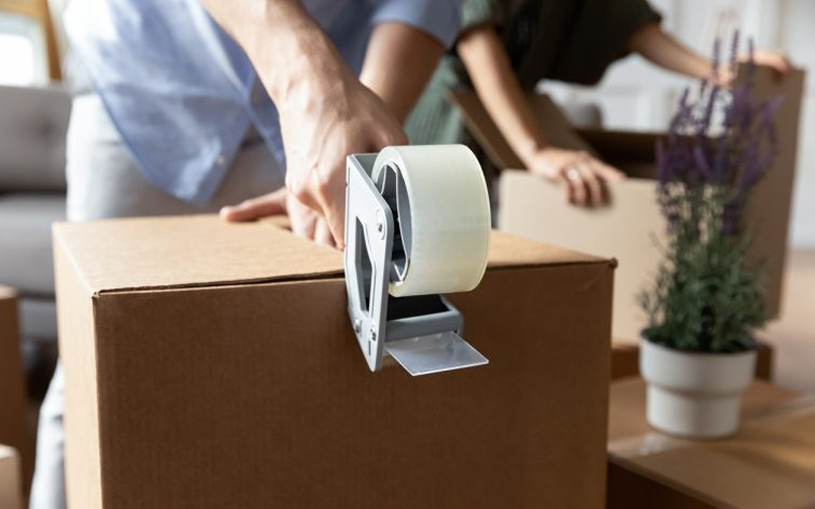
Indian nationals and foreign nationals, including Persons of Indian Origin (PIOs), relocating to Mumbai for employment or permanent settlement are permitted to import personal effects and household goods into India free of duty, subject to specific customs conditions.
As Mumbai is a major international port and commercial hub, shipments are generally cleared efficiently through Jawaharlal Nehru Port (JNPT) or Chhatrapati Shivaji Maharaj International Airport (CSMIA).
For Indian nationals:
For foreign nationals relocating to Mumbai, a valid Employment Visa with a minimum validity of one year is mandatory.
Foreign nationals must register with the Foreigners Regional Registration Office (FRRO), Mumbai within the stipulated period and obtain a Residential Permit, which is required for customs clearance.
The original passport must be presented during the customs clearance process.
Shipments arriving before the owner’s arrival may attract heavy demurrage or container detention charges, unless a waiver is approved on a case-by-case basis by customs authorities.
Shipments destined for Mumbai are usually cleared directly at JNPT or Mumbai International Airport, without the need for onward inland transportation.
The earlier requirement of a mandatory one-year stay in India after availing Transfer of Residence (TR) concessions has been removed. Individuals are now free to leave India even after claiming TR benefits.
Old and used personal effects and household goods are allowed duty-free, provided they have been used by the shipper and the individual holds a valid one-year visa.
Examples include:
New articles (other than those listed below) attract an import duty of 35%.
The following items are allowed at a concessional duty rate of 15% for one unit of each item, subject to a combined value limit of ₹500,000 (approximately USD 6,000–10,000), regardless of whether the item is new or used:
The concessional duty rate of 15% applies only to the first unit of each listed item.
If more than one unit of any item is imported, or if the combined value exceeds ₹500,000, the excess units or value will be charged at 35% duty.
Import duties on alcohol, wines, beer, and spirits are extremely high in India, often ranging between 150% and 200% of the value assessed by customs.
Importing alcohol with household goods is generally not recommended due to high costs, strict regulations, and clearance complexities.

Mumbai has one of the largest and most diverse expatriate communities in India, supported by well-established clubs, social organizations, and professional networking groups.
InterNations Mumbai is the most prominent expat network in the city, with over 15,000 members. It hosts monthly social and professional events, interest-based groups, and online forums, making it ideal for networking and settling into city life.
Connexons is a close-knit community for foreign passport holders, organizing coffee mornings, wine evenings, charity initiatives, and seasonal social gatherings, helping expatriates build meaningful friendships.
The American Women’s Club of Bombay (AWC) caters especially to expatriate women and offers book clubs, craft sessions, bridge and dance classes, coffee mornings, and festive celebrations.
Mumbai also hosts numerous interest-based meetup groups and cultural clubs, ranging from food and book circles to heritage walks and city tours, offering expats multiple avenues to socialize and explore local culture.
As India’s entertainment and commercial capital, Mumbai offers an unmatched lifestyle with endless leisure and social opportunities.
The city is famous for its vibrant nightlife, with stylish rooftop bars, lounges, pubs, and live music venues concentrated in areas such as Bandra, Colaba, Lower Parel, and Juhu.
Mumbai is also a cultural powerhouse, hosting world-class performances in music, dance, theatre, and art throughout the year.
The city is home to iconic venues such as the National Centre for the Performing Arts (NCPA), which hosts international orchestras, theatre productions, dance recitals, and cultural festivals.
Prithvi Theatre (Juhu) is a legendary space for contemporary and experimental theatre, popular among artists and expatriates alike.
Mumbai also features several intimate black-box theatres and independent performance spaces that regularly showcase experimental and alternative productions.
Mumbai celebrates a wide range of festivals that reflect its cosmopolitan spirit and rich heritage.
The Kala Ghoda Arts Festival, held annually in February, is a nine-day celebration of visual arts, literature, music, theatre, heritage walks, and workshops.
Other notable events include the Elephanta Festival, large-scale Diwali celebrations, cultural events during Nariyal Poornima, and international music festivals such as the Sunburn EDM Festival, which has expanded to Mumbai in recent years.
Mumbai is the heart of India’s film industry and offers an extensive cinema culture with modern multiplexes and iconic single-screen theatres.
Popular multiplex chains include:
These theatres screen Bollywood, Hollywood, regional, and international films across major locations such as Andheri, Bandra, Lower Parel, Powai, and South Mumbai.
Mumbai offers a premium shopping experience, from luxury boutiques to large retail and entertainment destinations.
Popular shopping malls include:
These malls combine global brands, fine dining, entertainment zones, and multiplex cinemas under one roof.
Art lovers will find Mumbai’s art scene diverse and globally recognized, with a mix of contemporary, modern, and experimental spaces.
Notable art galleries include:
Expatriates can engage deeply with local culture through a wide range of workshops and learning experiences.
Options include Indian cooking classes, art workshops, language learning (Hindi and regional languages), photography walks, tea appreciation, baking studios, and heritage tours organized by expat-friendly groups.
Mumbai’s coastal location and proximity to the Western Ghats make it an excellent base for short getaways.
Popular weekend escapes include:
These destinations offer beaches, hill stations, trekking trails, and nature retreats, providing a refreshing break from city life.

Shopping in Mumbai is a vibrant and immersive experience that reflects the city’s cosmopolitan character. Blending colonial charm with modern urban energy, Mumbai offers everything from bustling street markets and heritage bazaars to luxury boutiques and world-class shopping malls.
As India’s financial and entertainment capital, the city attracts a diverse population, keeping its shopping scene dynamic and trend-driven. Whether you are searching for budget fashion, artisanal handicrafts, vintage collectibles, electronics, or premium global brands, Mumbai caters to every shopper’s taste and budget.
Shopping districts are spread across South Mumbai, the western and eastern suburbs, and nearby satellite cities—each offering a distinct retail experience.
Located in South Mumbai, Colaba Causeway is one of the city’s most iconic shopping streets. Lined with street vendors and small boutiques, it offers bohemian clothing, costume jewelry, antiques, handicrafts, bags, footwear, and souvenirs.
Bargaining is expected, and the area is especially popular with expatriates and tourists due to its lively cafés, pubs, and proximity to heritage landmarks.
Linking Road is a fast-paced shopping stretch combining street stalls and branded showrooms. It is particularly popular for footwear, accessories, casual clothing, and trendy fashion at affordable prices.
Weekdays are ideal for shopping here, as weekends tend to get extremely crowded.
Hill Road offers a slightly more relaxed shopping experience compared to Linking Road. Known for western wear, sunglasses, denim, and stylish accessories, it attracts young professionals and fashion-conscious shoppers.
Situated near Churchgate and CST, Fashion Street features over 150 tightly packed stalls selling trendy apparel, bags, footwear, and accessories at rock-bottom prices.
It is a haven for fast-fashion lovers and bargain hunters willing to negotiate.
One of Mumbai’s oldest and most historic markets, Crawford Market is famous for fresh produce, exotic spices, dry fruits, home décor items, and daily essentials.
The colonial architecture and energetic atmosphere make it both a shopping destination and a cultural landmark.
Chor Bazaar is a treasure trove for antique lovers, offering vintage furniture, old cameras, Bollywood memorabilia, brassware, and collectibles.
Despite its name, it is a legitimate market best visited with patience and an eye for unique finds.
A popular suburban shopping area, Lokhandwala Market combines street shopping with small boutiques and cafés. It is well known for trendy clothing, accessories, and casual footwear.
Lamington Road is Mumbai’s primary electronics hub, offering computers, mobile phones, accessories, spare parts, and gadgets at competitive prices.
Buyers are advised to compare prices across multiple shops before purchasing.
These traditional markets are known for sarees, artificial jewelry, religious items, wedding shopping, flowers, and household goods. Bhuleshwar is especially popular for ethnic wear and festive shopping.
Mumbai also boasts some of India’s most premium shopping malls, offering luxury brands, international labels, fine dining, cinemas, and entertainment zones.
From street-side bargains to luxury retail experiences, Mumbai offers a shopping landscape that is as diverse and energetic as the city itself.