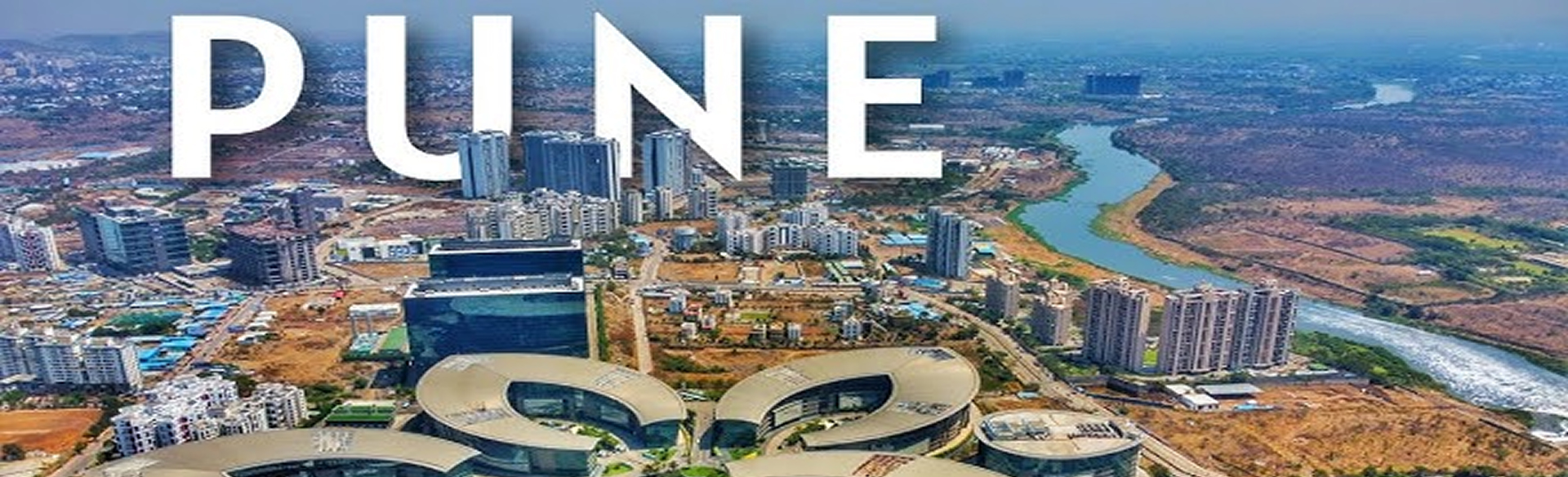
Hyderabad is the capital city of Telangana, located in south-central India along the Musi River. The city sits on the Deccan Plateau at an average elevation of 542 meters (1,778 feet) above sea level. It is known for its rocky terrain, granite formations, and a unique blend of historical and modern urban landscapes.
Area: Approximately 650 Square Kilometres
Founded in 1591 by Muhammad Quli Qutb Shah of the Qutb Shahi dynasty, Hyderabad has grown into a major metropolitan region along with Secunderabad and Cyberabad. The city is widely known as the “City of Pearls” and is a leading pharmaceutical and IT hub of India.
Summer: March–June (Up to 42°C)
Monsoon: June–September (Moderate Rainfall)
Winter: November–February (12°C–25°C)
Best Time: October to February
Time Zone: IST (UTC +5:30)
Population: ~10.8 Million
Languages: Telugu, Urdu, Hindi, English
Literacy: 83%
Republic Day: 26th Jan
Independence Day: 15th Aug
Gandhi Jayanti: 2nd Oct
Police: 100
Fire: 101
Ambulance: 108
All-in-One: 112
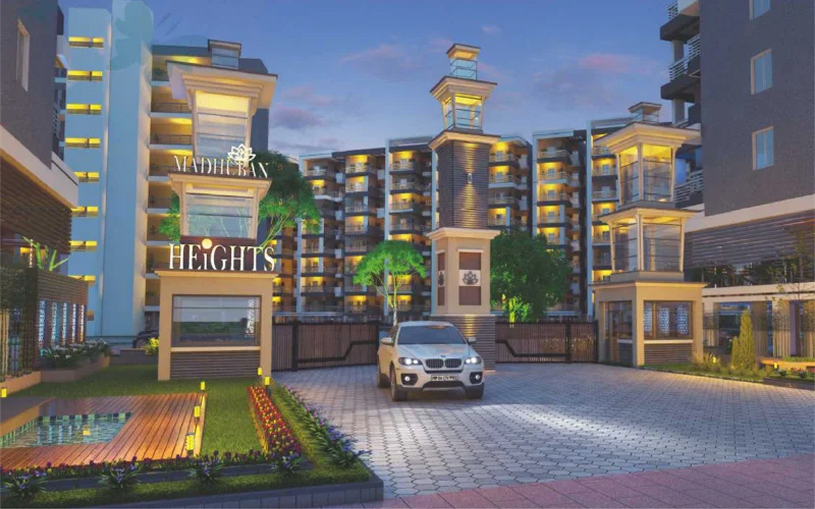
Hyderabad’s rental market has grown steadily over the last decade, driven largely by its booming IT and business ecosystem. With major technology hubs such as HITEC City, Gachibowli, Nanakramguda, and the Financial District, demand for quality housing—particularly in western Hyderabad— has increased significantly.
While central Hyderabad features older neighbourhoods and heritage-style buildings, western Hyderabad offers modern gated communities, high-rise apartments, and villa developments that are preferred by expatriates and corporate professionals. Although public transport options include metro rail, buses, and auto rickshaws, expats generally prefer personal vehicles or chauffeur-driven cabs due to comfort and convenience.
Preferred residential areas include Gachibowli, HITEC City, Kondapur, Jubilee Hills, Banjara Hills, Madhapur, Manikonda, Puppalaguda, Kokapet, Narsingi . These localities offer superior infrastructure, proximity to IT hubs, international schools, hospitals, and modern lifestyle amenities.
Hyderabad offers a wide range of premium hotels and serviced residences for short-term stays, especially in the IT corridor and central areas. Advance booking is recommended during peak business seasons, major conferences, and festival periods such as Dussehra and Diwali.
Popular options include ITC Kohenur, Trident Hyderabad, Taj Krishna, Hyatt Hyderabad Gachibowli, The Westin Hyderabad Mindspace, and Novotel Hyderabad Convention Centre.
Long-term housing options in Hyderabad include independent houses, villas, and high-rise apartments. Gated communities—particularly in Gachibowli, Nanakramguda, Kokapet, and Kondapur—offer enhanced security, power backup, clubhouse facilities, swimming pools, gyms, landscaped gardens, and in-house maintenance services.
Independent houses, mainly found in Jubilee Hills, Banjara Hills, and Begumpet, provide more space and privacy but may require private security and additional maintenance arrangements.
Villa communities are commonly located in Narsingi, Kokapet, Tellapur, and parts of Gachibowli, offering premium living with community-level amenities.
Breakdown of available properties:
Availability: Moderate.
Types: Detached (~35%), Semi-detached
(~65%).
Style: Spacious 3–5 bedroom bungalows with
balconies, garden areas, and large living spaces.
Average Age: 10–15 years.
New Construction (<5 years): ~15%, mostly in
newly developed suburbs.
Availability: Excellent (Mid-rise ~45%,
High-rise ~55%).
Style: Typically 2–4 bedroom apartments with
attached bathrooms, modular kitchens, open living areas, and
balconies.
Average Age: 3–10 years.
New Construction (<5 years): ~30%,
especially near the Financial District, Kokapet, and Tellapur.
Hyderabad’s apartment market is among the fastest-growing in India due to rapid IT expansion, strong infrastructure development, and excellent airport connectivity.
It is advisable to visit shortlisted neighbourhoods at different times of the day to assess traffic conditions, noise levels, parking availability, and commute times.
Serviced apartments in Hyderabad are commonly found in HITEC City, Gachibowli, Madhapur, Kondapur, Manikonda, and Banjara Hills. These are broadly categorized as:
A. Professionally Managed Serviced Apartments
• Located in prime business districts.
• Offer housekeeping, security, laundry, Wi-Fi, and kitchen
facilities.
• Suitable for expatriates, corporate travellers, and relocating
families.
B. Stand-Alone Serviced Apartments
• Common in Madhapur, Kondapur, and Manikonda.
• Quality and services vary based on the operator.
• Careful inspection is recommended before finalizing.
C. Guest Houses
• Generally used by corporates for short-term staff stays.
• Shared facilities and inconsistent standards.
• Not recommended for expatriates or families.
Hyderabad typically follows a security deposit of 2 to 5 months’ rent, depending on the locality and type of property. Premium apartments and villas may require higher deposits due to maintenance and amenities.
Confirm whether the quoted rent includes maintenance charges. Utilities such as electricity, water, gas, and internet are generally paid separately by the tenant. Parking and clubhouse fees may also apply.
Furniture and appliance leasing is widely available through local vendors and online rental companies. Options include full furnishing packages, modular kitchens, appliance-only rentals, and flexible short-term or long-term plans. Availability is generally better in IT corridor areas due to higher demand.

Hyderabad has a well-developed financial and banking infrastructure with a strong presence of national, private, and international banks. The city offers comprehensive banking, currency exchange, and digital payment services to support residents, expatriates, and international businesses.
The official currency of India is the Indian Rupee (INR).
Credit cards are widely accepted throughout Hyderabad, especially in shopping malls, restaurants, hotels, supermarkets, fuel stations, and online platforms.
Most banks issue credit cards with revolving credit, EMI facilities, and cash advance options.
RuPay, VISA, and MasterCard are widely accepted. American Express cards may have limited acceptance and should be confirmed in advance.
Note: International cards may be subject to foreign transaction fees. Please check with your issuing bank for details.
Hyderabad has an extensive ATM network across residential areas, commercial zones, and IT corridors.
Traveller’s cheques can be purchased or encashed at major banks and authorised currency exchangers in Hyderabad.
Commonly available currencies include US Dollar and British Pound Sterling.
A valid passport is required when buying or encashing traveller’s cheques.
Hyderabad has branches of all major public-sector, private-sector, and international banks.
Typical Banking Hours:
Most banks operate from 10:00 – 16:00 (Monday to Friday).
Some private banks may offer extended hours.
Under Indian Foreign Exchange and Income Tax regulations, foreign nationals working in India are generally permitted to open one bank account per city.
Relocation consultants or HR representatives may assist with opening the following account types:
Documentation requirements may vary slightly by bank but generally include:
Account opening usually takes 2 to 10 working days, subject to document verification. ATM/debit cards are issued upon request.
Most major banks in Hyderabad provide comprehensive online and mobile banking services, including:
Internet banking platforms are generally secure, user-friendly, and available 24/7 through mobile apps and web portals.

Water-borne diseases such as hepatitis A, typhoid, dysentery, and diarrhea spike during the monsoon due to contaminated water and poor sanitation. A notable surge in hepatitis A cases was observed between March–June 2025.
Vector-borne illnesses including dengue, malaria, chikungunya, and other infections such as scrub typhus are prevalent during and after the monsoon season.
Respiratory illnesses frequently escalate due to worsening air quality, including cases of asthma, COPD, and influenza-like illnesses (H1N1, H3N2), especially during winter months. AQI data indicates a decline in clean-air days, contributing to increased health risks.
Open burning of garbage in neighbourhoods continues to add to harmful air pollution and increases the respiratory disease burden.
In case of a medical emergency, knowing the closest hospital is critical. While Pune traffic is generally manageable, delays can occur during peak hours or in areas affected by metro construction.
It is often faster to use your own vehicle or hire an auto/cab rather than waiting for an ambulance, unless the patient is immobile.
It is recommended to have someone accompany you to the hospital to assist with registration, payments, or form-filling. Most private hospitals require partial payments at the time of admission.
Always carry personal identification such as a passport, visa copy, or resident permit.
Doctors, clinics, and hospitals are easily accessible throughout Pune. The city is home to several reputed multi-specialty hospitals offering advanced healthcare services at comparatively affordable costs.
Communication with doctors is generally smooth, as most speak fluent English and Hindi. Private hospitals are recommended for faster and more personalized care.
Pune has a wide network of general physicians, specialists, and wellness clinics. When choosing a doctor, consider their affiliated hospital for easier admission during emergencies.
Medications are easily available over the counter at most pharmacies, which are present in every neighbourhood. Many pharmacies also provide home delivery services.
It is advisable to carry prescriptions, especially for ongoing treatments, and inform your doctor about any medications you are currently taking.
Government Emergency Ambulance: 102
Private Ambulance Services (24x7):
Police Emergency Number: 112

Education in Pune spans from Kindergarten through Higher Secondary. Schools are affiliated with several education boards.
The Maharashtra State Board of Secondary & Higher Secondary Education (MSBSHSE) oversees SSC (Class 10) and HSC (Class 12) examinations. This state board is headquartered in Pune and serves over 10,000 schools.
National and international boards present in Pune include CBSE, CISCE (ICSE/ISC), NIOS, IB, and Cambridge (IGCSE).
After Class 10, students typically join Junior College (PUC) or schools offering +2 courses under the state or national boards. This is followed by higher education programs in colleges, universities, and vocational institutions.
Expatriate and globally minded families have several excellent schooling options:
Under Maharashtra’s implementation of NEP 2020, all schools follow a three-language policy: Marathi (mandatory), English, and another Indian language of choice.
The State Curriculum Framework (SCF) mandates community integration in learning. Students’ involvement in local heritage, crafts, and environmental activities forms part of assessments through School Management Committees.
Electricity in Pune is primarily supplied by Maharashtra State Electricity Distribution Company Limited (MSEDCL / Mahavitaran), and in some areas by Tata Power or Adani Electricity.
Tip: Consult your relocation coordinator or landlord to identify your area’s electricity provider and nearest payment office.
Residents of independent houses or bungalows receive monthly water bills from Pune Municipal Corporation (PMC) or PCMC, depending on location.
Tip: Contact your relocation coordinator or landlord to confirm the water authority and nearest payment office.
Garbage is collected door-to-door daily in most Pune localities by PMC-appointed staff. In gated communities, collection is usually managed by the Society Maintenance Office.
Waste segregation into wet and dry garbage is commonly required by residential societies.
For complaints or missed pickups, contact the
PMC Solid Waste Management Helpline:
1800 1030 222 (Toll-free)
Most households in Pune use bottled LPG cylinders supplied by government-authorized agencies such as:
Cost: ₹900 – ₹1100 per cylinder (subsidized or market rate). A minimum of two cylinders is recommended for uninterrupted usage.
Documents Required: Identity proof, address proof, and passport-sized photograph.
Delivery Time: Usually 1–4 days after booking. Booking can be done via phone call, SMS, or mobile apps specific to the gas provider.
Due to Pune’s warm climate, regular pest control is advisable for insects such as ants, cockroaches, and mosquitoes.
Common Services:
Recommended Frequency: Once every 3–6 months. Ensure service providers use WHO-approved chemicals, especially if you have children or pets.

In Pune, once you move into your new residence, a local cable service provider from the area will typically reach out or can be easily contacted for a new connection.
A nominal installation charge is generally applicable, and the connection is usually set up within 1–2 days. Monthly subscription charges can be paid in cash or via online payment modes, and a payment receipt is issued.
Most cable operators in Pune provide access to a wide range of popular channels including STAR, Sony, Colors, ESPN, National Geographic, Discovery, along with regional channels in Marathi and Hindi.
For a complete list of available channels, it is advisable to contact your local cable operator directly.
Alternatively, Direct-To-Home (DTH) satellite services are widely available across Pune. Popular providers include:
DTH services require a one-time setup fee covering the dish antenna, set-top box, and a monthly or annual subscription package.
Installation typically takes 2–5 working days, depending on technician availability.
DTH providers offer a wide range of standard and HD channels in multiple languages, and channel packs can be customized based on individual preferences. For updated channel packages and pricing, contact the respective service provider.
Pune offers a wide range of FM radio stations catering to diverse musical tastes and local interests. These stations are freely accessible and can be tuned using any standard FM radio set or mobile phones with radio capability.
Popular FM channels in Pune include:
These stations broadcast Bollywood hits, indie music, talk shows, traffic updates, and local news, offering round-the-clock entertainment and information without any subscription cost.
Pune offers a variety of daily newspapers in English, Marathi, and Hindi.
Popular English dailies include The Times of India, Indian Express, and Hindustan Times. Marathi readers commonly prefer Sakal or Lokmat.
You can access newspapers in the following ways:
Pune has a well-connected network of post offices across residential and commercial areas, offering a wide range of communication and mailing services for individuals and businesses.
Postal services available include:
For detailed information on service availability, charges, and working hours, please visit your nearest local post office.
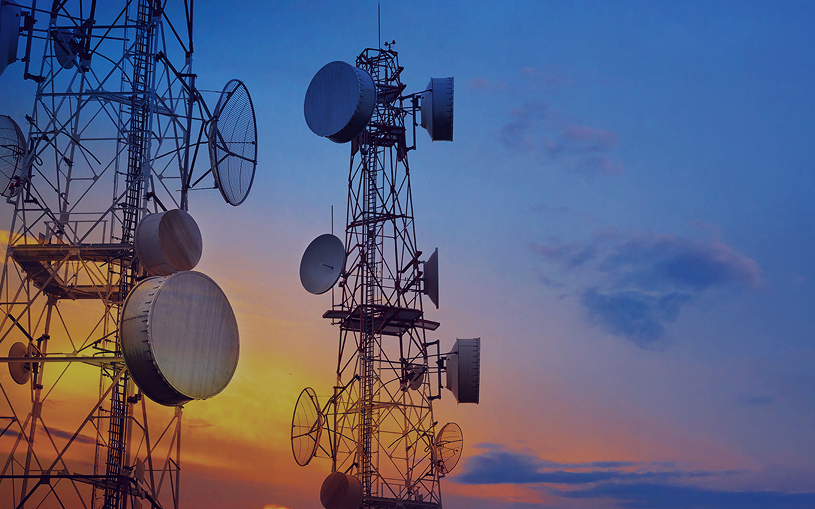
Telephone and broadband connections in Pune are available through both government and private service providers.
The government-owned provider BSNL and private operators such as Jio, Airtel, and Vodafone offer landline and broadband connections across most residential and commercial areas.
Private providers generally complete installation within 2–5 days, while BSNL installations may take up to 14 days.
Documents Required:
A refundable security deposit and installation fee are applicable. Billing is done on a monthly basis, and timely payment is essential to avoid service disconnection.
Landline connections with international calling facilities can be activated upon request.
Service providers offer multiple prepaid and postpaid plans, and bills can be paid online or at authorized customer service centers.
In some cases, landlords may provide a pre-installed landline, in which case only usage charges apply.
Public phone booths with PCO / STD / ISD facilities are now extremely rare in Pune, as mobile phones have largely replaced them.
Pune has strong mobile network coverage with major GSM service providers such as Jio, Airtel, and Vodafone.
These providers offer a wide range of prepaid and postpaid plans to suit different usage requirements.
Postpaid connections typically require a nominal security deposit and activation fee. An additional deposit may be required for international roaming.
Prepaid SIM cards are easily available at local mobile shops throughout the city.
As per government regulations, activation of a new mobile connection requires submission of a valid photo ID and proof of address.
Internet connectivity in Pune is provided by major companies such as Airtel, Jio, Tata Fiber, and BSNL.
Broadband connections are primarily delivered through fiber-optic networks or wired telephone lines.
After finalizing your residence, it is important to check area-specific coverage with your preferred provider.
A wide range of internet packages is available based on speed and data usage, catering to both household and business requirements.

Pune, one of Maharashtra's major cities, offers a range of transportation options for both locals and expatriates. The city is moderately well connected through cabs, auto rickshaws, local buses, and metro rail (limited routes).
For expatriates and business travelers, app-based cab services such as Ola, Uber, and InDrive are recommended for safety, convenience, and ease of communication. These services are accessible via mobile applications and offer various vehicle categories based on comfort and budget.
Several cab aggregators in Pune provide reliable, metered rides across the city. Ola, Uber, and InDrive are widely used due to GPS tracking, digital payment options, and ease of booking.
It is advisable to avoid unlicensed taxi operators, especially late at night. As many drivers may not speak fluent English, keeping your destination pinned on a map or written down is helpful.
Auto rickshaws are a common mode of transport in Pune. These are officially metered vehicles, although drivers may attempt to negotiate flat fares during peak hours or after dark.
By law, meters must be used and passengers should insist on meter-based fares. After 10:00 PM, drivers may charge 1.5 times the standard fare.
If the meter is faulty or refused, it is advisable to agree on the fare before starting the journey.
Public buses in Pune are operated by the Pune Mahanagar Parivahan Mahamandal Limited (PMPML). These buses connect most areas of the city and are an economical option.
While many buses are non-air-conditioned and can be crowded, AC buses operating under the Rainbow BRTS are more comfortable. However, for expatriates unfamiliar with local routes and languages, buses may not be the most convenient choice.
The Pune Metro is currently under development, with a few routes operational, including:
Although metro connectivity is presently limited, the system is expected to significantly reduce traffic congestion and evolve into a reliable urban commuting option.
Name: Pune International Airport
Location: Lohegaon, approximately 10 km from
the city centre
Connectivity:
Official Website: Pune International Airport
Pune has several international and local car rental companies offering both self-drive and chauffeur-driven options.
Some popular providers include:
While self-driving is available, Pune’s traffic conditions, narrow roads, and unpredictable driving culture can be challenging for newcomers. Chauffeur-driven rentals are strongly recommended.
Employees whose organizations have tie-ups with rental agencies may be eligible for discounted corporate rates.
Driving in Pune can be difficult due to irregular traffic patterns, lack of lane discipline, frequent congestion, and inconsistent road conditions.
If you are unfamiliar with Indian driving practices, it is advisable to hire a driver or use chauffeur-driven vehicles.
Foreign nationals may drive in India using a valid International Driving Permit (IDP) along with their national driving licence for a limited duration.
For long-term stays, applying for an Indian driving licence is recommended.
Importing a vehicle into Pune is legally permitted but involves strict regulations, a lengthy compliance process, and heavy import duties of approximately 150%.
If purchasing a vehicle locally, consider the following:

Indian nationals and foreign nationals, including persons of Indian origin, transferring their residence to Pune or arriving for employment are permitted to import personal effects and household goods into India free of duty, subject to specific conditions.
For Indian nationals, the following conditions must be met:
For foreign nationals relocating to Pune, a valid Employment Visa with a minimum duration of one year is mandatory.
Upon arrival, foreign nationals must register with the Foreigners Regional Registration Office (FRRO) in Pune and obtain a Residential Permit, which is a key document required for customs clearance.
The original passport must be presented during the customs clearance process.
If shipments are delayed beyond the stipulated timelines, customs clearance may be allowed only on a case-by-case basis, depending on the merits of the situation.
It is important that the owner arrives in India before the shipment reaches. Any delay may result in heavy demurrage or container detention charges at the port.
Shipments destined for Pune are generally cleared at Mumbai Port (JNPT) or Mumbai Airport, and then transported by road to Pune.
Previously, a minimum stay of one year in India was mandatory after availing Transfer of Residence (TR) benefits. This condition has now been removed, and individuals are free to leave India even after claiming TR concessions.
Old and used personal effects and household goods are permitted duty-free, provided they have been used by the shipper and the individual holds a valid one-year visa.
Examples include:
New articles (other than those listed below) are charged import duty at 35%.
The following items are allowed at a concessional duty rate of 15% for one unit of each item, subject to a combined value limit of ₹500,000 (approx. USD 10,000), regardless of usage:
The concessional duty rate of 15% applies only to the first unit of each item.
If the shipper imports two or more units of any listed item, or if the combined value exceeds ₹500,000 (USD 10,000), the excess units or value will be charged at a duty rate of 35%.
Import duties on alcohol, wines, spirits, and similar items are extremely high in India, typically around 200% of the value assessed by customs.

Pune has a vibrant and welcoming expatriate community, with several clubs and social organizations catering to foreigners and their families.
One of the most well-known groups is the Pune Expat Club (PEC), which brings together expatriates from various countries through regular meetups, cultural experiences, and networking events.
The club frequently organizes coffee mornings, themed dinners, city walks, and social mixers to help newcomers settle into the Pune lifestyle with ease.
Another popular community is the InterNations Pune Chapter, where international professionals connect both online and in person through curated events hosted at premium venues across the city.
Whether you are looking to make friends, gain local insights, or participate in charity initiatives, Pune’s expatriate groups provide a supportive environment and a strong sense of community.
Many gatherings are hosted at well-known venues such as the Conrad, Marriott, and popular local cafés, making social integration easy and enjoyable for expatriates.
Pune, often referred to as the cultural capital of Maharashtra, offers a perfect blend of tradition and modernity when it comes to entertainment and leisure.
While the city is a major hub for education, IT, and automotive industries, it also provides numerous opportunities to relax and unwind.
Whether you enjoy watching the latest blockbuster at a multiplex, exploring the local art and music scene, or spending quality time with family at a resort, Pune caters to every lifestyle.
The city has a vibrant nightlife, with trendy pubs and rooftop lounges located in areas such as Koregaon Park, Viman Nagar, and Baner.
Shopping and casual hangout destinations like Phoenix Marketcity, Seasons Mall, and Pavilion Mall offer a wide range of retail outlets and dining experiences.
Pune is also home to prestigious clubs such as the Poona Club and Deccan Gymkhana, which provide sports, fitness, and social activities.
Nature lovers and golf enthusiasts can visit the Oxford Golf Resort for a refreshing outdoor experience.
With a mix of modern entertainment hubs and rich cultural spaces including art galleries, theatres, and music festivals, Pune offers a balanced and fulfilling leisure lifestyle for both locals and expatriates.
Cinema is a major form of entertainment in Pune, and the city is home to numerous movie theatres and multiplexes catering to diverse audiences.
Pune was quick to embrace the multiplex culture and now features several modern cinema halls screening the latest Bollywood, Hollywood, regional, and international films.
Many theatres are conveniently located near restaurants and cafés, making it easy to plan a complete outing with family or friends.
Popular multiplex chains operating in Pune include:
These multiplexes have multiple locations across key areas such as Kalyani Nagar, Viman Nagar, Baner, and Hadapsar, and offer state-of-the-art sound and visual experiences.
Pune is a shopper’s delight, offering everything from affordable street shopping to premium luxury brands.
The city hosts several shopping malls that combine retail outlets, entertainment zones, restaurants, and children’s play areas under one roof.
Popular shopping malls in Pune include:
Whether shopping for fashion, electronics, groceries, or enjoying dining and movies, Pune’s malls offer a complete urban experience.
Pune’s cultural heritage is reflected in its many auditoriums that host classical dance, music performances, theatre productions, literary events, and workshops.
Notable auditoriums include:
These venues attract artists and audiences from across Maharashtra and other regions of India.
Art enthusiasts will find Pune’s art scene vibrant and engaging, with several galleries showcasing works by local, national, and international artists.
Popular art galleries include:
These galleries regularly host curated exhibitions featuring paintings, sculptures, and mixed-media artwork.
Families seeking weekend entertainment can enjoy Pune’s amusement and water parks, which offer thrilling rides and activities for all age groups.
Popular amusement parks include:
These parks feature dedicated play zones and water rides for children, making them ideal for family outings.
Pune’s proximity to the Western Ghats makes it an excellent base for exploring nearby hill stations, forts, and nature retreats.
Popular weekend getaways include:
The surrounding landscapes offer opportunities for trekking, camping, and adventure activities. Whether seeking tranquility or adventure, Pune’s surroundings provide something for everyone.

Shopping in Pune City is an unforgettable experience every shopaholic dreams of. Pune, a dynamic metropolis blending tradition with modern flair, is a paradise for both bargain hunters and fans of luxury brands.
As a thriving educational and IT hub, the city boasts a young, cosmopolitan population that keeps the shopping scene vibrant. Pune is dotted with everything from buzzing street markets to chic boutiques and sprawling malls. You can find everything—fashionable apparel, footwear, elegant jewelry, artisanal handicrafts like Paithani sarees and sandalwood items, antiques, electronics, and even automobiles—making it a true shopper’s delight.
The city features traditional markets lined along specific thoroughfares and modern malls housing dozens of shops under one roof.
This bustling thoroughfare is Pune’s premier shopping district, stretching nearly 4 km through the old city. It’s lined with shops selling garments, ethnic wear—especially Paithani sarees—jewelry, household goods, accessories, and textiles. Expect lively crowds, vibrant storefronts, and excellent bargains—especially around festival times.
Local guides and shopping lists also highlight Laxmi Road as a long‑standing go‑to destination for a mix of traditional and contemporary apparel and accessories, supporting the area’s reputation as a major retail hub. :contentReference[oaicite:0]{index=0}
Known affectionately as FC Road, this street is packed with trendy fashion stalls, affordable accessories, and casual eateries. A popular hangout for college students and young professionals, it features nearly 450 shops offering everything from T‑shirts and shoes to quirky mobile accessories— all at wallet‑friendly prices.
Situated in the heart of the old city below the Ram Temple precinct, Tulshibaug is famed for its wide selection of jewelry, household wares, religious items, cosmetics, and ethnic clothing. It’s ideal for one‑stop shopping across a range of daily essentials and traditional goods.
Located in the Camp / MG Road area, Hong Kong Lane is a narrow yet vibrant street lined with stalls offering ultra‑affordable fashion accessories, sunglasses, belts, footwear, and chic clothing. It’s a budget fashion hotspot frequently visited by students and younger crowds.
Open only on Wednesdays and Sundays, Juna Bazaar is Pune’s iconic flea market. Chop through stalls to uncover vintage items—old coins, retro collectibles, vinyl records, antique furniture, and quirky memorabilia. It’s a treasure trove for secondhand and nostalgic shoppers.
These streets provide a mix of traditional markets and trendy urban shopping—offering everything from ethnic sarees and antiques to youth fashion and accessories.
Each area of the city also boasts its own marketplace, offering everything from daily essentials to specialty items. Notable malls include:
These malls complement the street markets, giving shoppers the choice of budget buys, mid‑range brands, and premium outlets—all within the same city.